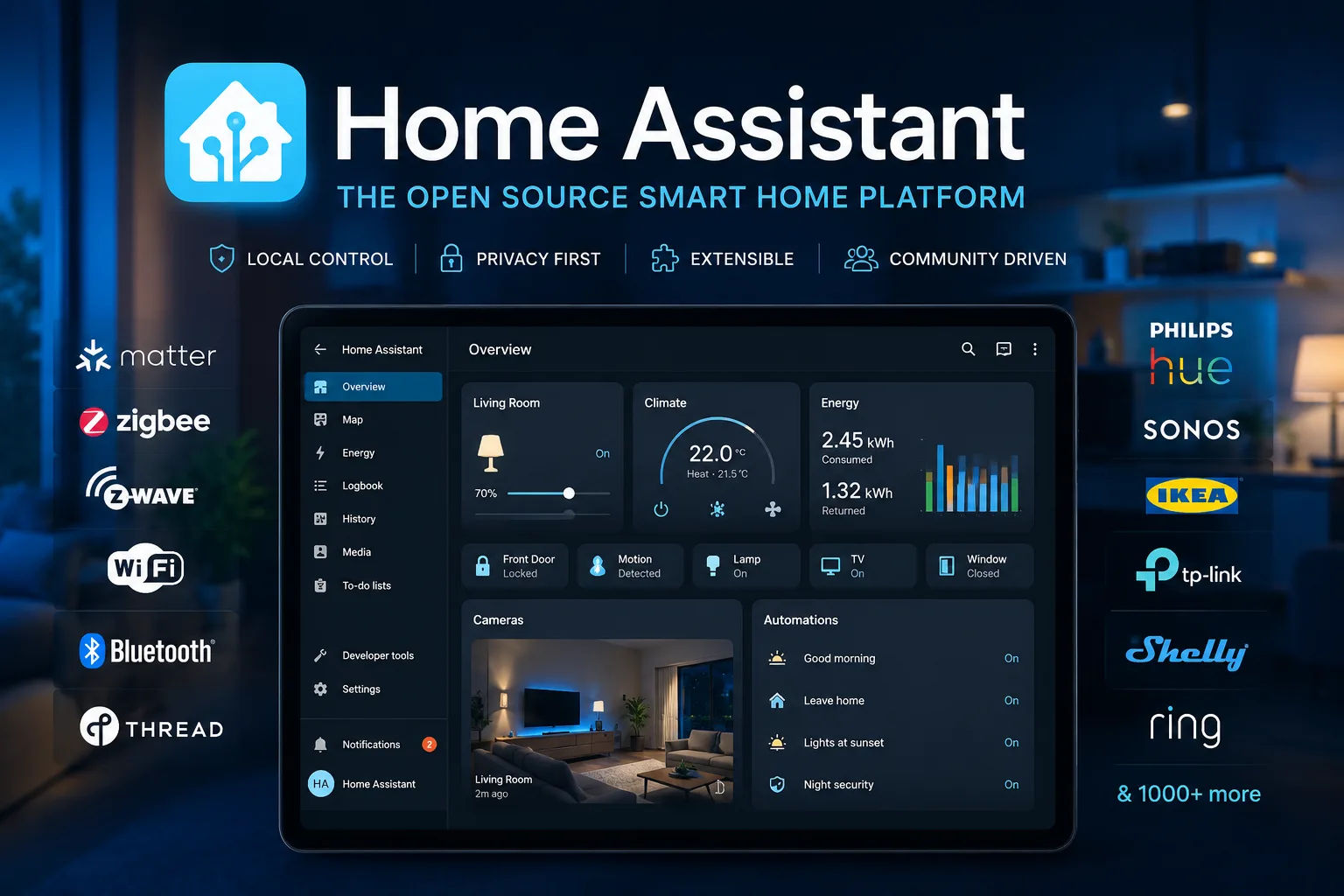
Home Assistant is an open-source home automation project centered on local control, privacy, and a community-driven approach to the smart home. Its GitHub organization describes the project as home automation that “puts local control and privacy first,” with core, frontend, supervisor, operating-system, documentation, mobile, analytics, brands, and developer-facing repositories collected under the same umbrella.
The project has also become one of the clearest reference points for open smart homes. Its own website presents a platform with thousands of integrations, support for many device categories, companion apps, dashboards, automations, voice control, energy management, add-ons, and hardware paths for Zigbee, Thread, Z-Wave, and Matter-oriented setups.
Why Home Assistant now defines the open smart home
For years, smart home users had to choose between brand-specific apps, cloud accounts, and fragmented automation systems. Home Assistant’s rise matters because it offers a different center of gravity: one local system that can bring together devices, services, standards, and automations without making one manufacturer’s cloud the permanent command layer.
That is why it is reasonable to describe Home Assistant as the de facto leader in open-source home automation today. Its public project footprint, community activity, official documentation, and broad integration catalog have turned it from a hobbyist tool into the platform many enthusiasts, makers, and increasingly mainstream smart-home users evaluate first.
What the official project presents
Home Assistant’s official materials emphasize a few consistent themes:
- Local control and privacy as the foundation.
- A large integration catalog for devices and services.
- Automatic discovery for known devices on the local network.
- Dashboards for mobile, desktop, and wall-panel style control.
- A built-in automation engine for rules, scenes, and conditions.
- Companion mobile apps for notifications and presence use cases.
- Energy monitoring, voice assistant work, and add-on applications.
The important point is not only that Home Assistant supports many things. It is that the project has become a practical meeting place for brands, protocols, device classes, and user-created extensions that would otherwise remain scattered across separate apps.
The ecosystem effect
Home Assistant’s strength compounds as more integrations, device profiles, brands, and community extensions accumulate around it. A new sensor, light, inverter, camera, media player, thermostat, bridge, or cloud service is more valuable when it can participate in one shared automation model instead of living in isolation.
That ecosystem effect is visible in the project structure itself. The GitHub organization is not just one application repository; it includes the core platform, frontend, supervisor, operating system, user documentation, developer resources, mobile-related work, analytics, brands, and more. This makes Home Assistant feel less like a single app and more like an open home automation operating layer.
Who it fits best
Home Assistant is especially compelling for people who want one control plane for a mixed smart home: Zigbee devices, Z-Wave products, Wi-Fi accessories, Matter or Thread equipment, media devices, network gear, energy hardware, weather data, voice control, and web services.
It also fits users who are willing to own a little infrastructure. That can mean a Raspberry Pi, a small local server, a Home Assistant appliance, or another always-on machine. The reward is flexibility: automations can be shaped around the home rather than around the limits of a single vendor’s app.
Adoption notes for real homes
The cleanest way to approach Home Assistant is not to migrate everything in one weekend. A practical rollout starts with a few reliable integrations, a simple dashboard, and automations that solve obvious daily problems: lights at sunset, alerts for doors or leaks, heating schedules, presence-aware scenes, or energy visibility.
The project’s scale is a benefit, but it also rewards discipline. Name devices clearly, group rooms carefully, document unusual automations, and avoid building critical routines on top of fragile cloud-only integrations unless there is no local alternative.
Caveats and limits
Home Assistant’s power can also be its learning curve. The more brands, standards, add-ons, and custom extensions you combine, the more important maintenance becomes. Updates, breaking changes, device quirks, and cloud-service API changes can still affect a setup.
There is also a difference between “supported by an integration” and “works perfectly for every device in every household.” Buyers should still check specific device compatibility, the integration’s quality level where available, and whether a product works locally or depends on a vendor cloud.
Editorial verdict
Home Assistant has become the closest thing the smart-home world has to an open, extensible default platform. Its leadership is not based on one flashy feature, but on accumulated breadth: integrations, community knowledge, local-first design, official hardware paths, documentation, and a project culture that keeps pulling more of the smart home into a common language.
For users who want a simple single-brand experience, it may be more platform than they need. For anyone building a serious, mixed, privacy-conscious smart home, Home Assistant is hard to ignore—and increasingly hard to beat.
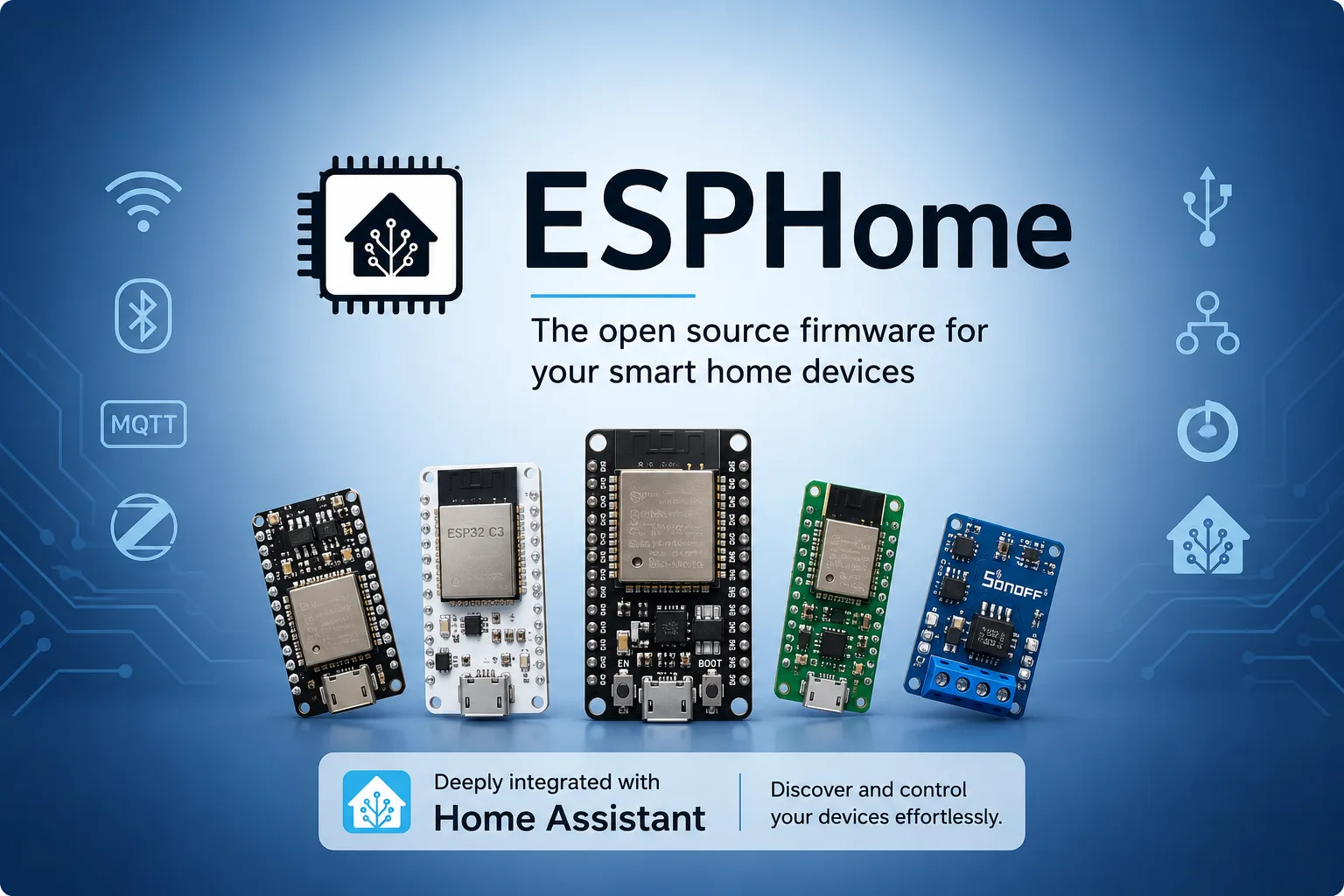
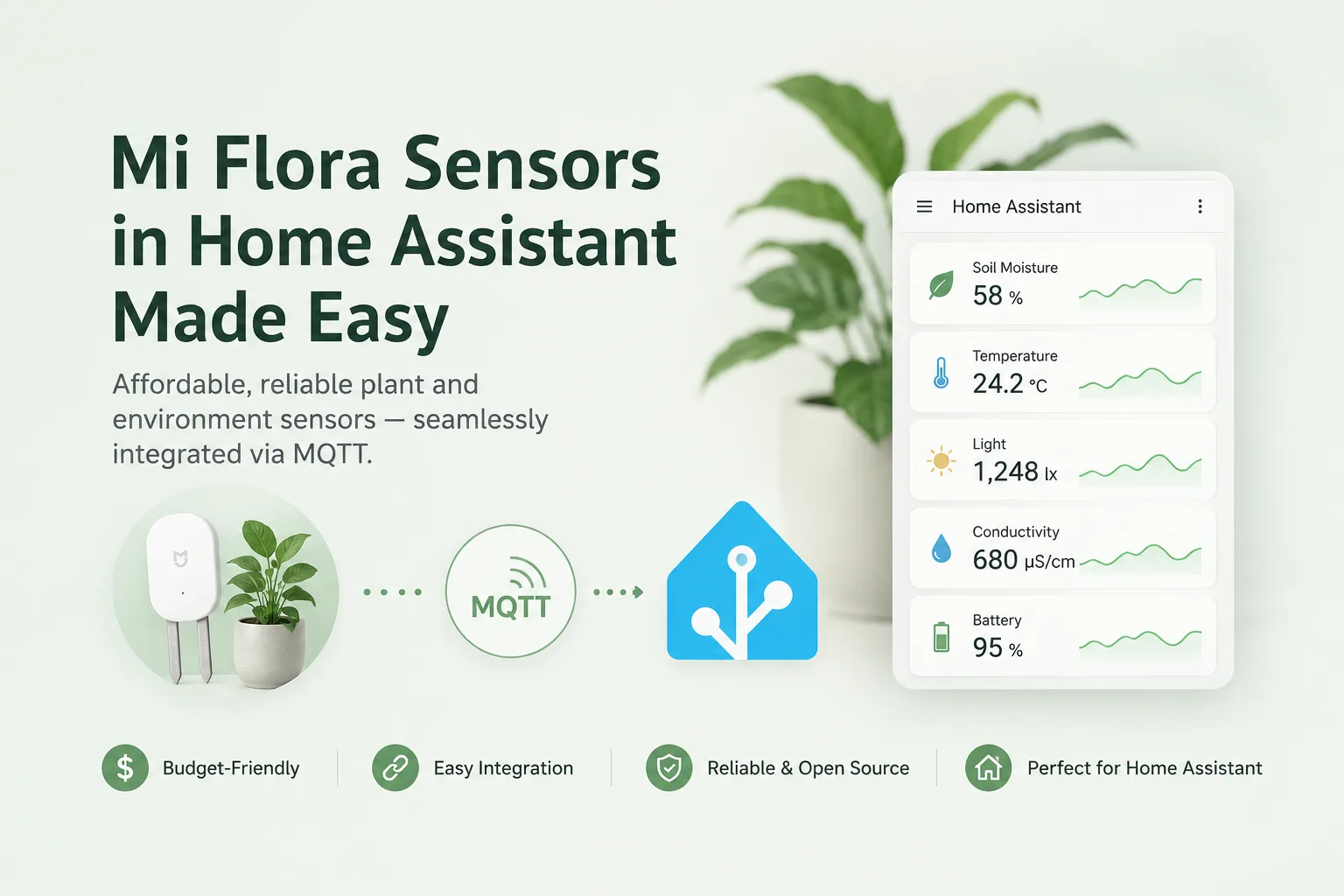
For more home automation coverage on Synopolis, see ESPHome for building custom device firmware, miflora-mqtt-daemon for bridging plant sensors into MQTT, and ntfy for simple push notifications.
Primary link
Learn more at: https://github.com/home-assistant